A Guide to Buying Windows in Sussex - Everything You Need to Know

Window installers in Sussex - Insulation Services
Living in Sussex, it’s easy to see that there are a huge variety of property styles across different areas, but what windows are best suited to each type of building? It’s quite amazing how many different styles of houses there are in Sussex, with period homes, cottages, barn conversions, modern developments and coastal homes all with very different architecture. With only so many windows to choose from (although there are quite a few!), how can you know what will best suit your home? This article covers everything from the types of window, material and colour to glass options, ventilation and repairs.


Choosing windows that suit your home can be difficult, the key thing is to match the architecture of the building so they look ‘right’. Most homeowners in Sussex choose to replace windows with the same type as the existing ones to ensure they match the property, but there are still a wide range of options for material, profile and colour.


What types of windows are there and what is best suited to each property style?

Casement windows - these are hinged from one side, opening outwards. 

Tilt and Turn - dual function, these windows can tilt inwards for ventilation or swing open on a side hinge.

Fixed windows - no opening.


Casement, tilt and turn and fixed windows are very versatile options that suit almost all properties. These are available in PVCu, wood and aluminium, all of which bring unique features. But it’s not just the material and opening that differs with these windows, there are various profiles including sculptured, flush sash and slim sash which all give a completely different look. 


Vertical sliding (sash windows) - part of the window slides up to open.


Vertical sliding windows are typically suited to heritage style Georgian, Edwardian and Victorian properties. Available in timber and PVCu in a range of colours.


How does material make a difference?

PVCu is the modern choice for many windows due to its affordability, low maintenance and wide range of finishes including heritage timber-alternative styles. Whilst aluminium brings sleek, slim sightlines and is often seen in buildings with very modern architecture or as a replacement for old Crittall windows. Timber is more traditional and costly but a beautiful finish. 


Colour and Finish

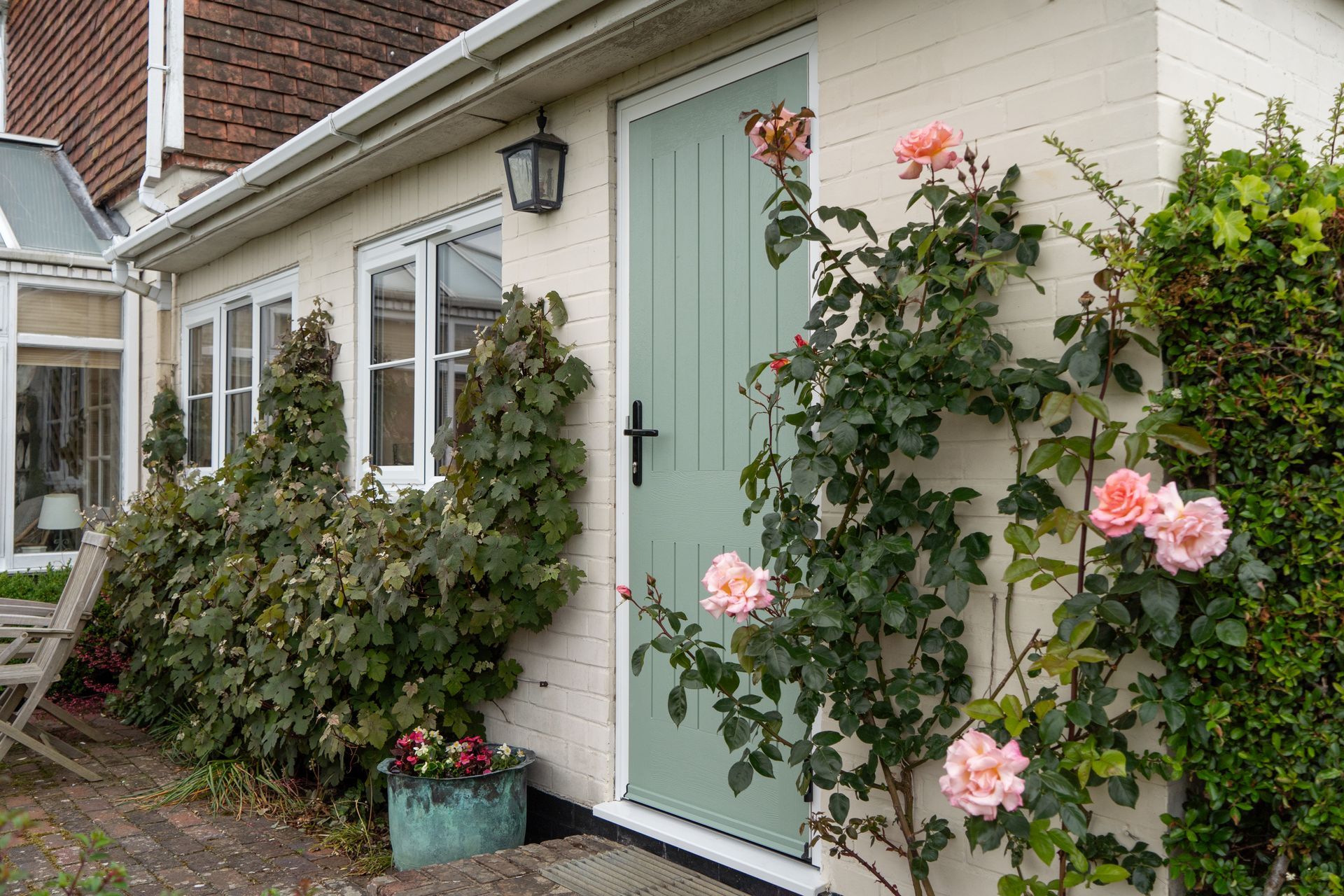
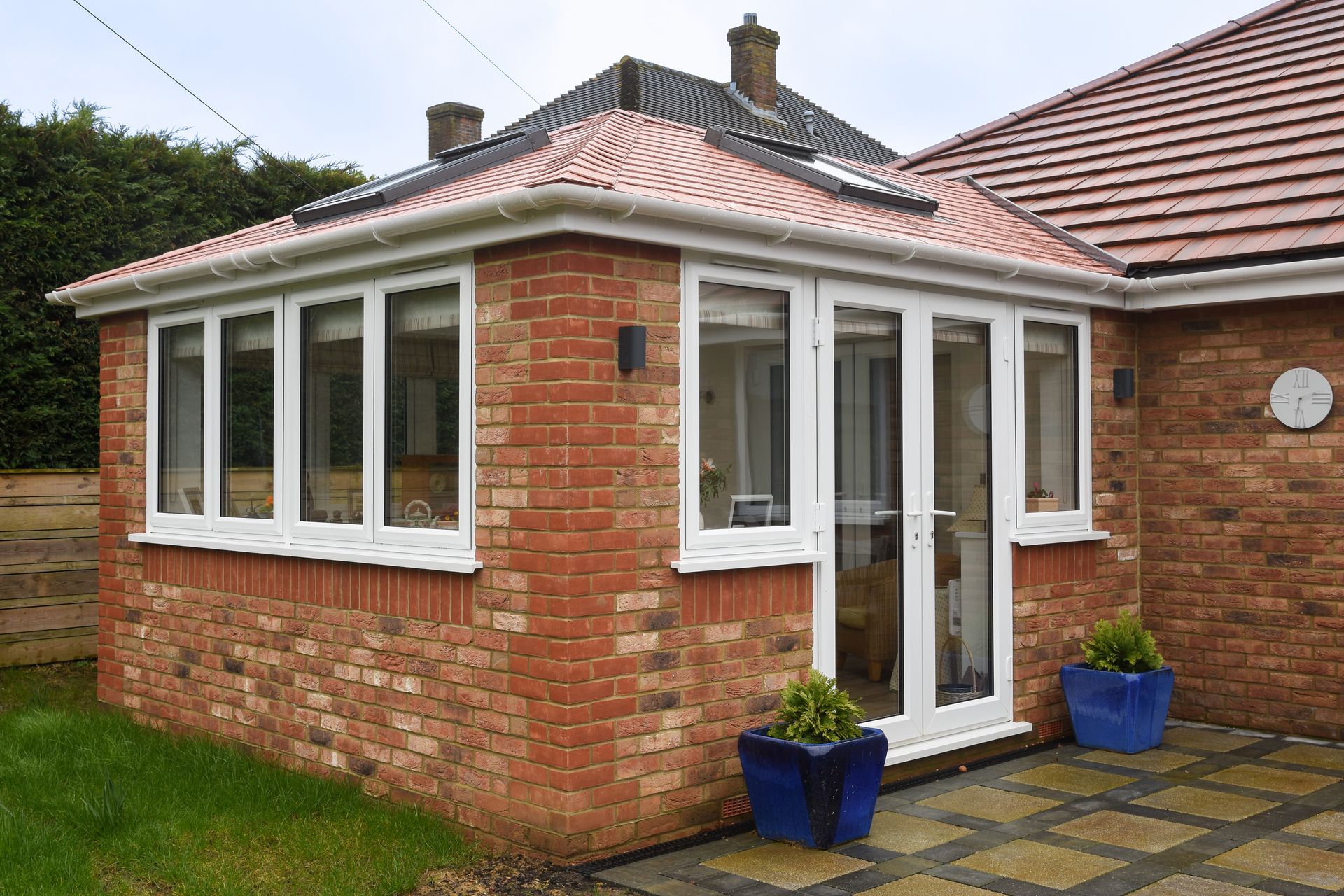
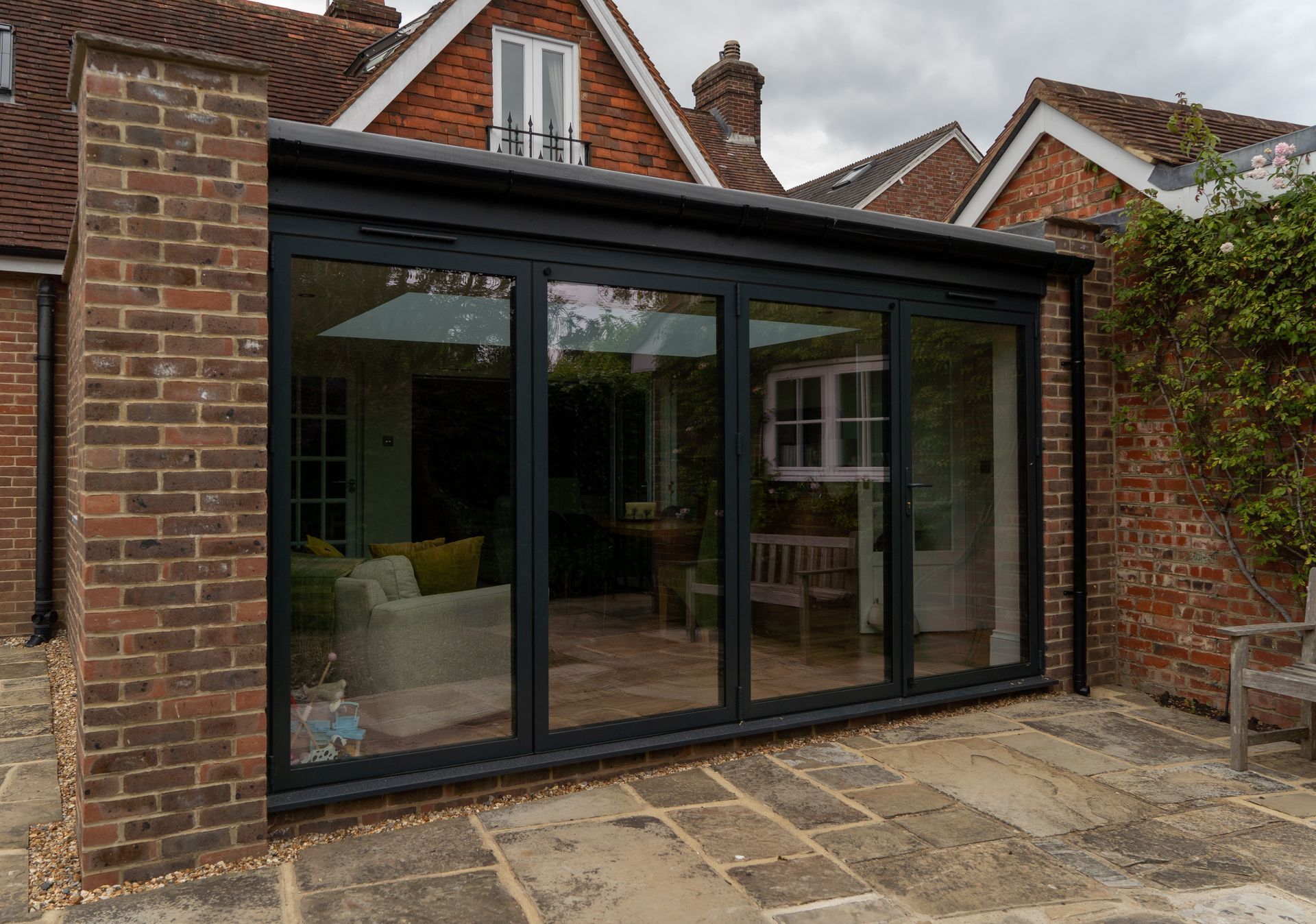
There are a range of colour choices for all types and materials of window and whilst the choice is ultimately yours, homes look best when the window colour is matched to the surrounding materials. Typically, brick homes work well with white, cream and anthracite grey; stone homes suit softer tones and pastel colours like chartwell green; rendered homes look great with bold and contrasting colours; whilst homes with weatherboard/cladding suit black, white and natural tones. PVCu windows also have the option of a woodgrain or smooth finish - woodgrain finish is very popular for a more traditional look. 
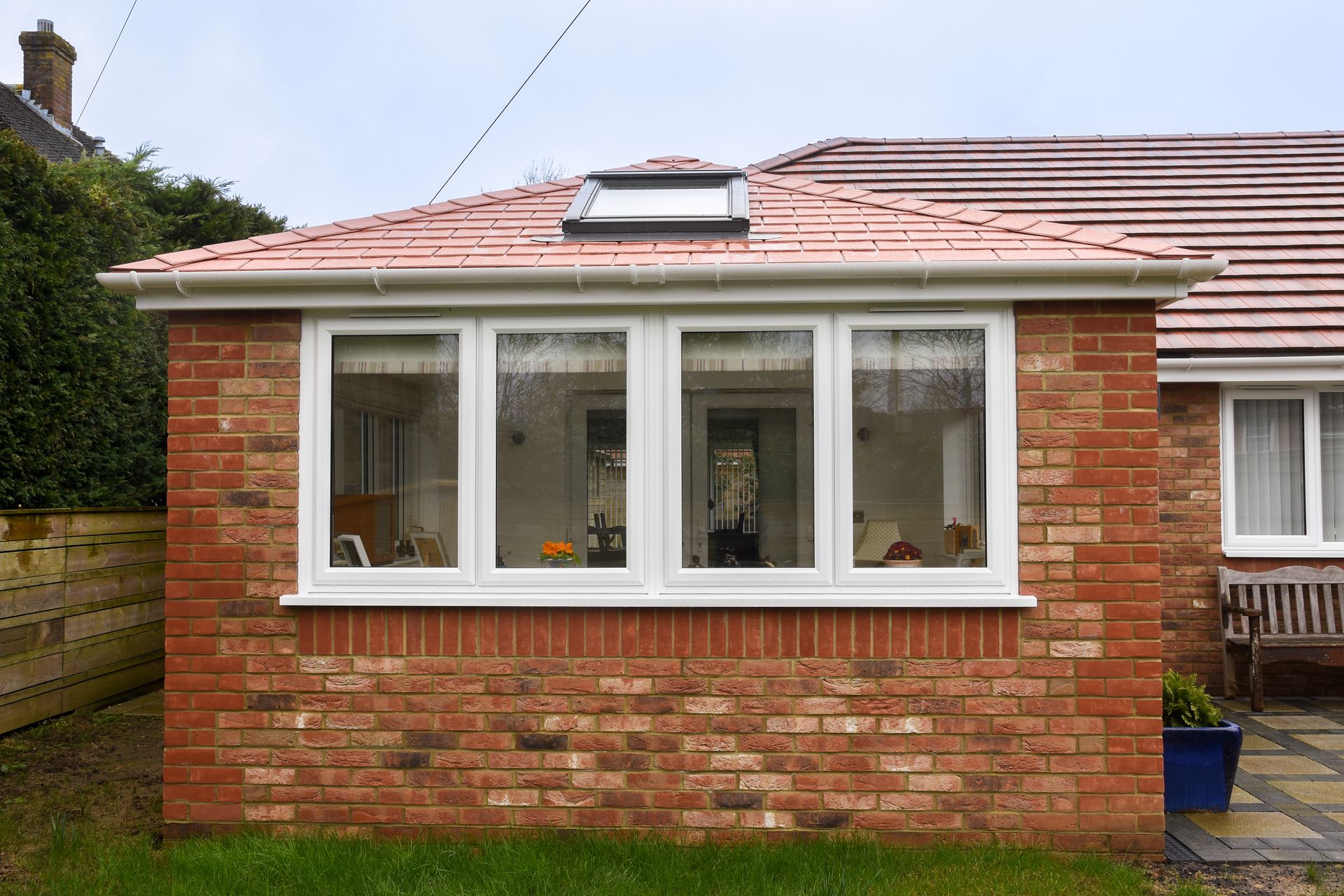
White PVCu and Brick

Rosewood PVCu on Brick

Anthracite Grey PVCu and Brick

Chartwell Green PVCu and Brick

Chartwell Green PVCu and brick/stone

Black Aluminium and White Brick

White PVCu and Cream Brick

White PVCu and Render

Anthracite Grey and Wood Cladding

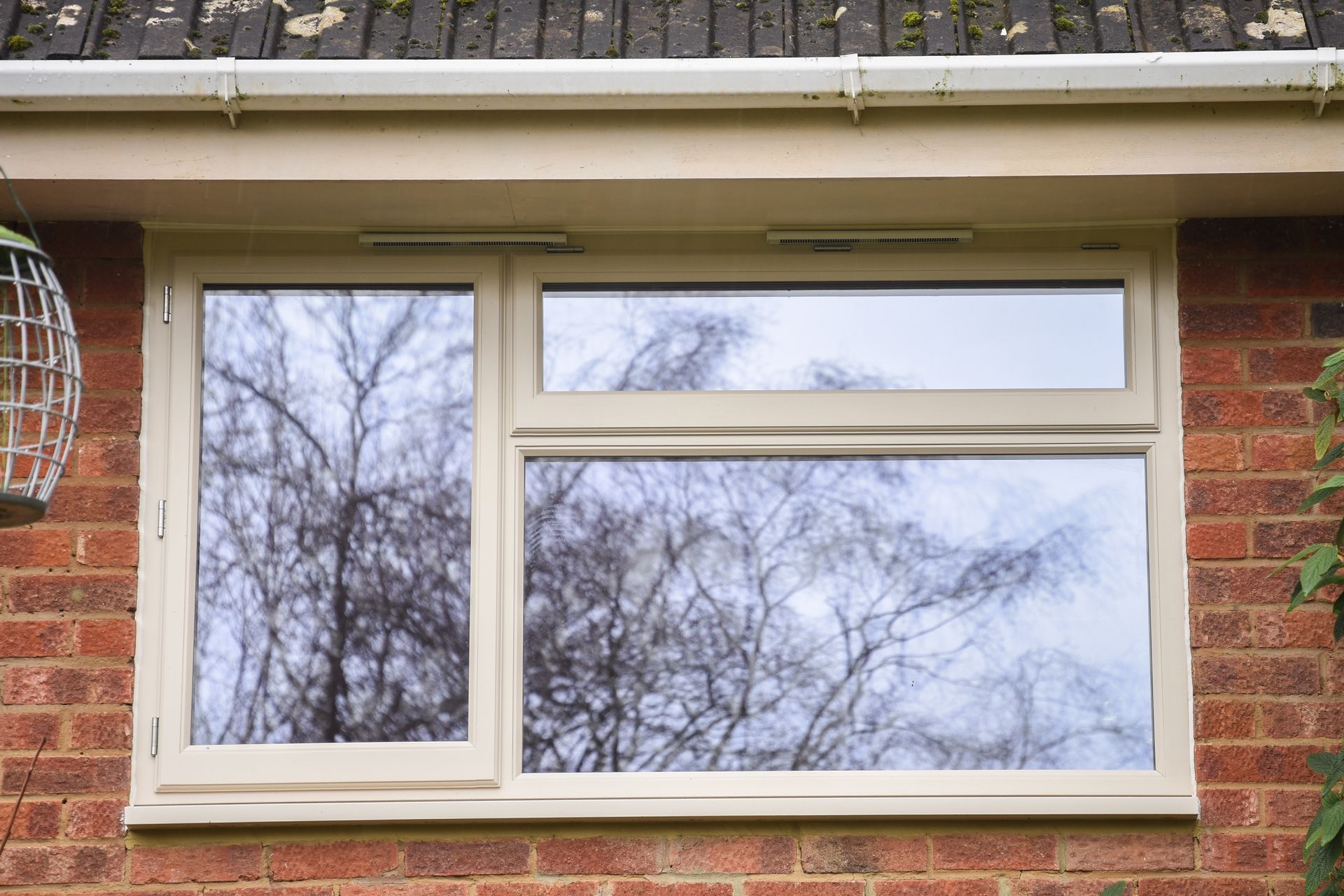
Cream Hardwood and Brick

Glass Type

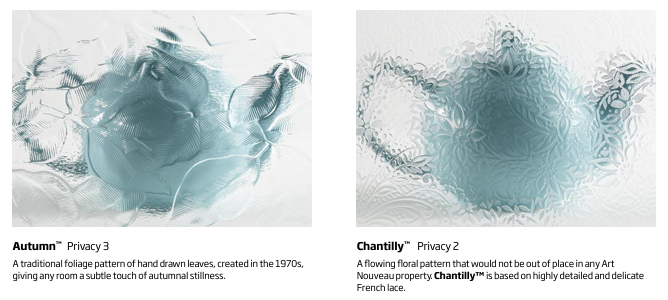
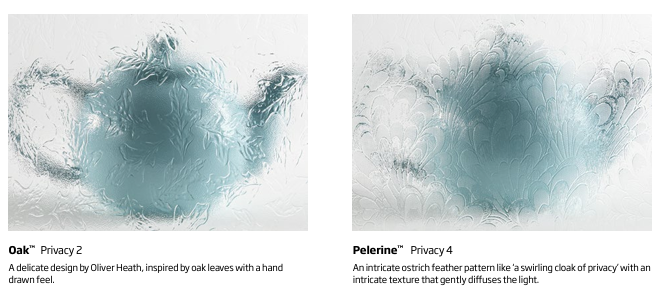
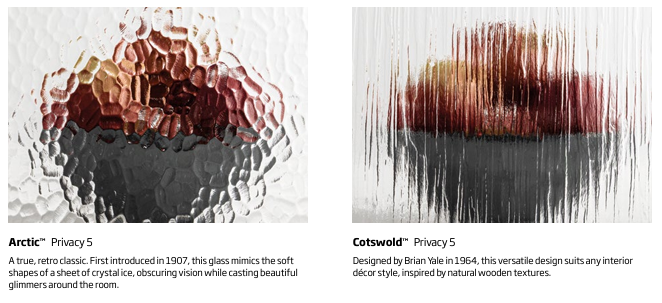
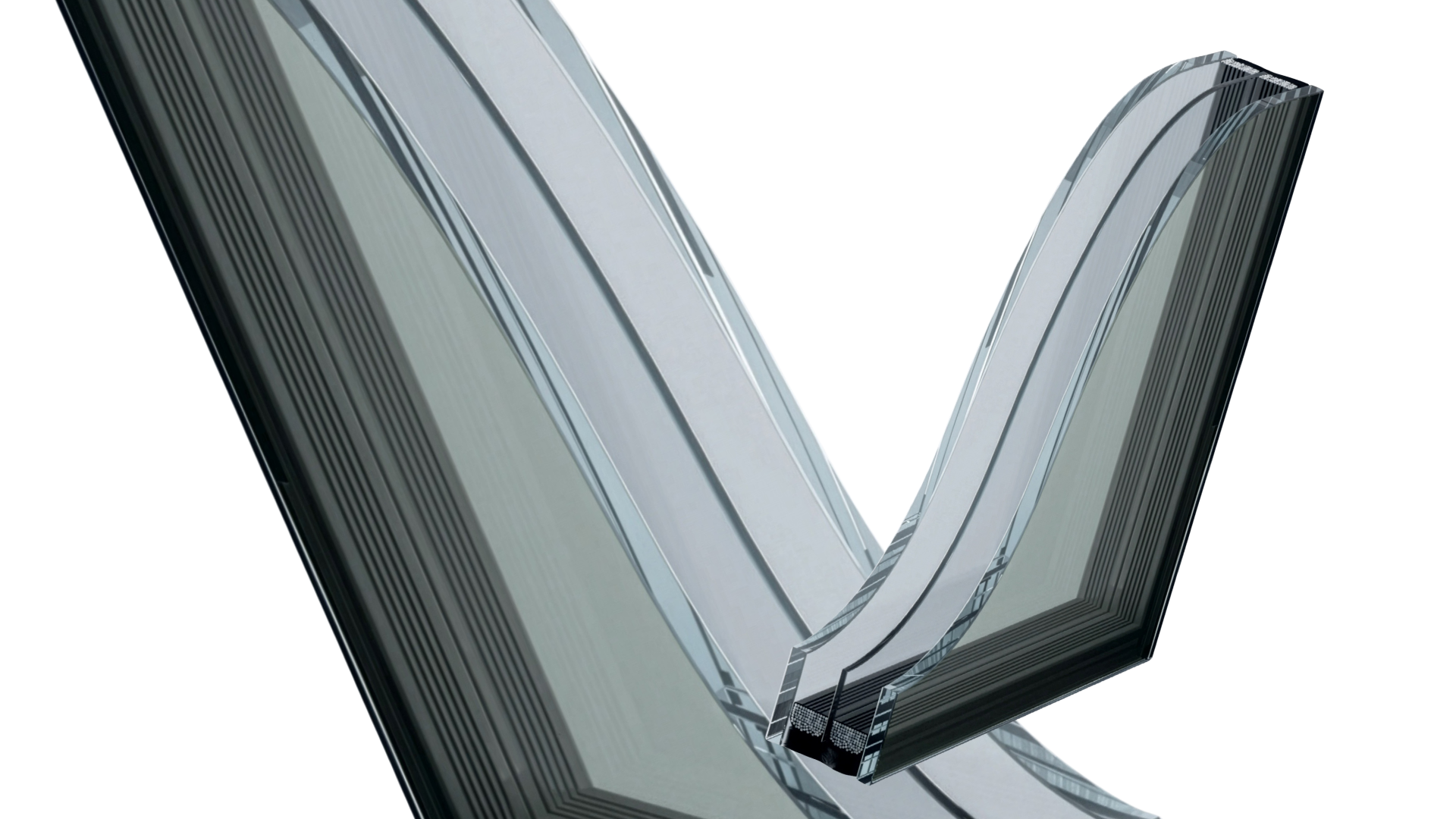
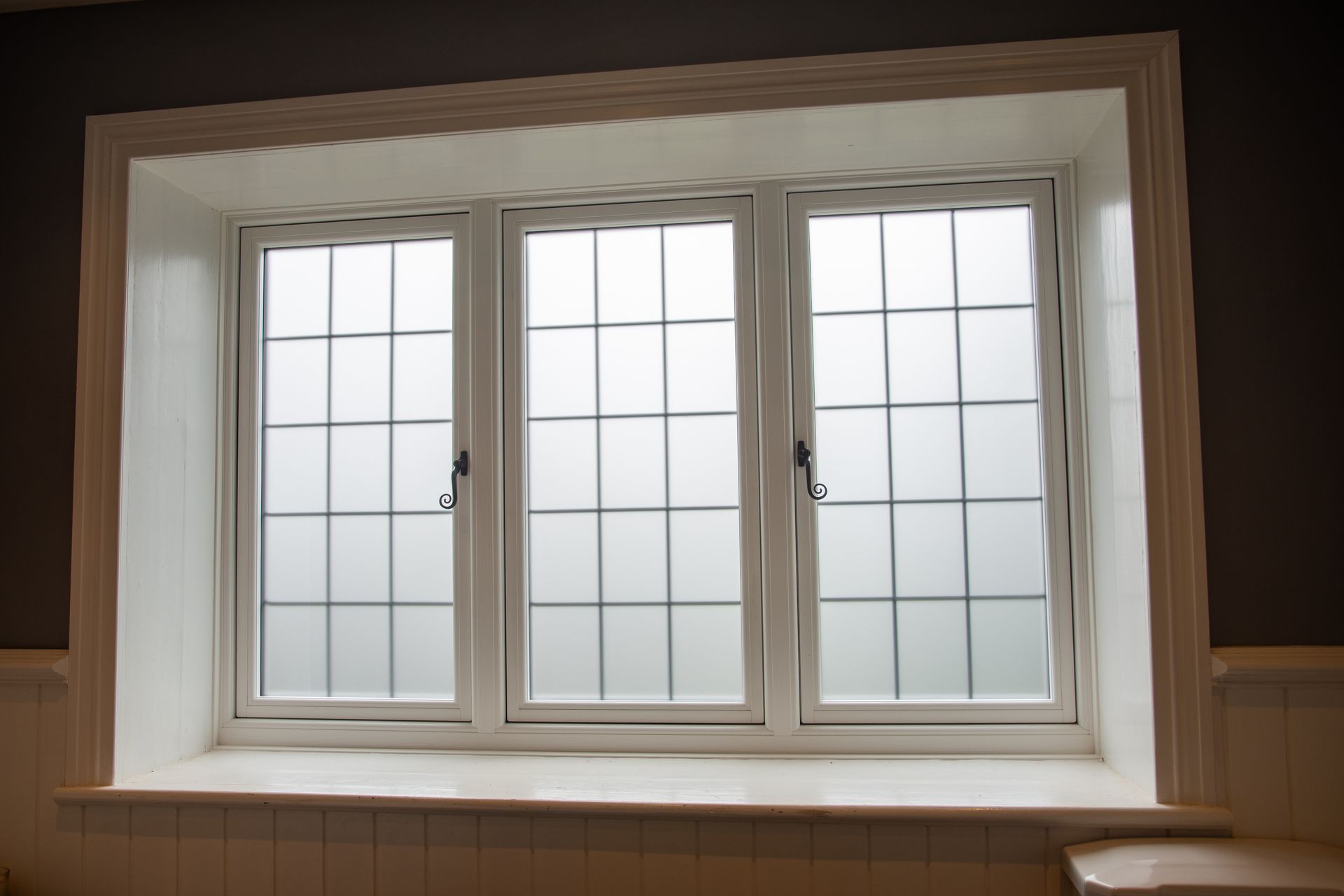
All new windows must be double or triple glazed to meet the current building standards, it is no longer an option to install new single glazed windows. But what is the difference between double and triple glazing? Whilst there is a small improvement in thermal performance with triple glazing, it does not bring a significant improvement on the insulation of your home when compared to double glazing. Triple glazing does however have greater noise reduction as a result of the extra pane of glass. Most homeowners opt for double glazing as it is less expensive and very good at insulating. Now for the question of clear or obscure glass….clear glass allows maximal light to enter the home and allows for great views of the outdoor whilst obscure glass is ideal for privacy. There are lots of patterns available in obscure glass, see below.

  • Slide title

    Write your caption here
    Button
  • Slide title

    Write your caption here
    Button
  • Slide title

    Write your caption here
    Button
  • Slide title

    Write your caption here
    Button
  • Slide title

    Write your caption here
    Button
  • Slide title

    Write your caption here
    Button
  • Slide title

    Write your caption here
    Button

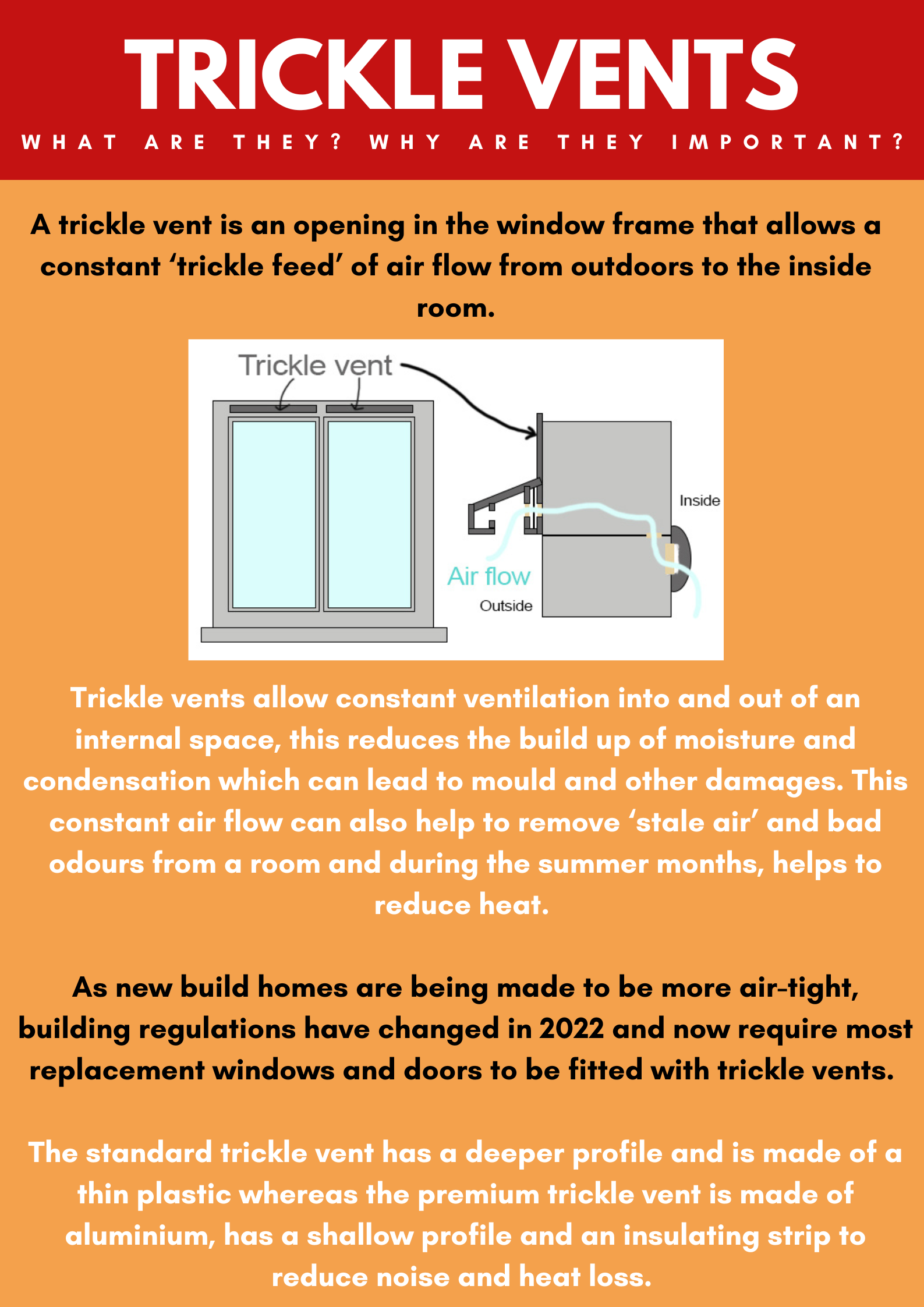
Trickle Vents

Ventilation plays a huge role in keeping a home healthy and comfortable, but it’s something many people only think about when problems like condensation or stuffy rooms appear. One small, often overlooked feature that can make a big difference is the trickle vent. In the UK, building regulations now (since 2022) require the use of trickle vents in most replacement and new-build windows to maintain healthy airflow. They help ensure a minimum level of ventilation without relying on windows being open all day long. This also helps to reduce the build up of moisture and condensation within the home which could lead to mould and other damp damages as well as helping to remove ‘stale air’, bad odours and heat.
Optional Extras and Upgrades

Integral blinds are a great option for privacy and shade whilst being low maintenance and child-safe, these are blinds which are built inside of the glass sealed units and operated with a magnet or remote.

Noise reduction glass is another upgrade, ideal for houses near busy roads, railways or in busy towns. 

Laminated glass can be installed instead of toughened glass for extra security.


Repairs 

On most aluminium and PVCu windows, we can replace glass sealed units, hinges, handles and locking mechanisms. We can also re-seal and re-trim inner and outer frames if required.


If you're looking to invest in new windows for your Sussex home or to repair your existing windows, contact us for a free, no-obligation quotation.
Click to Call Click to Email
18 February 2026
What are patio doors? Patio doors are typically large glass doors that open onto a patio or outdoor area. They are most commonly sliding doors made up of two glass panels, where one panel slides behind the other to open. 
17 February 2026
Window and Door Installation in a Sussex Victorian Home
10 February 2026
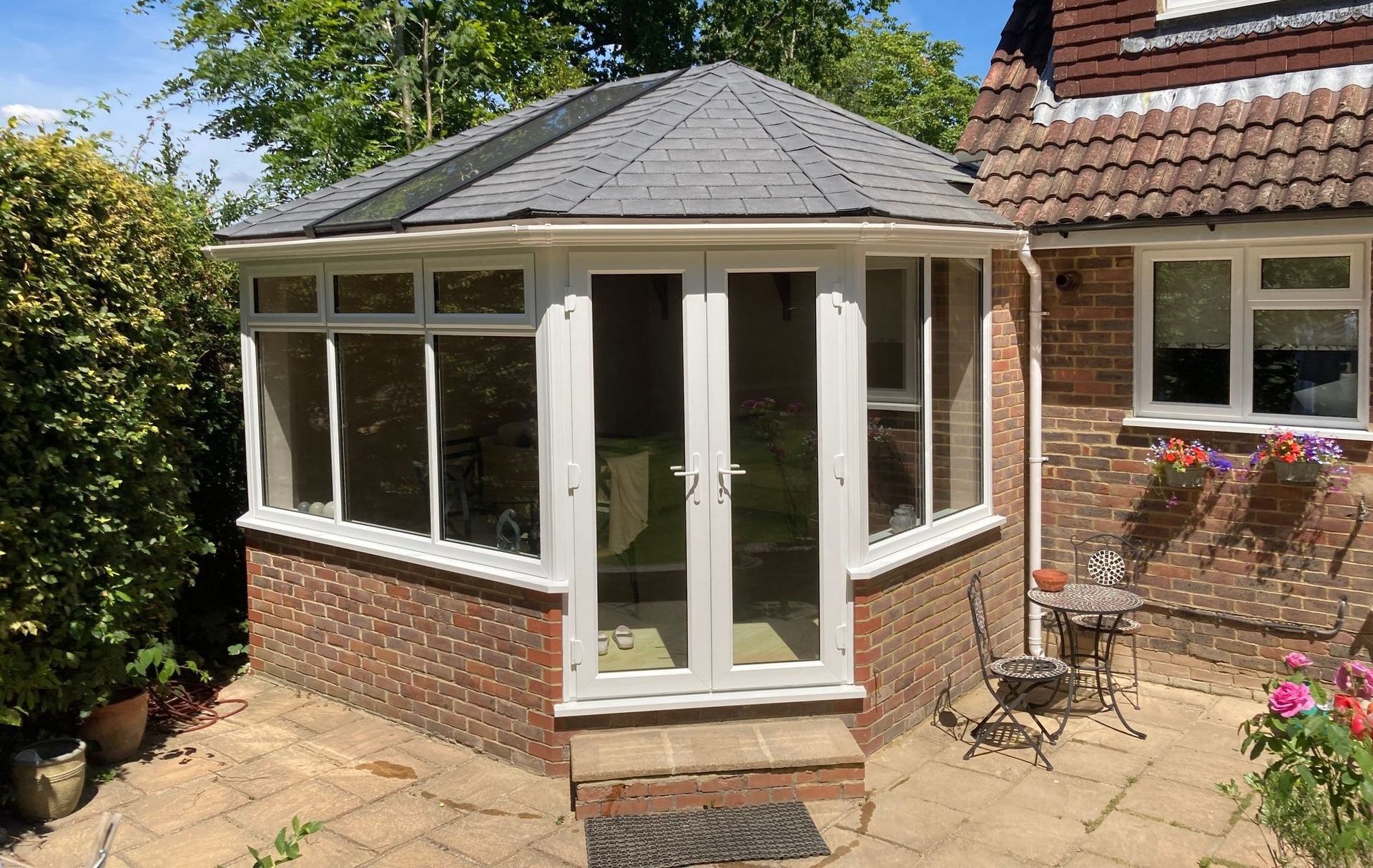
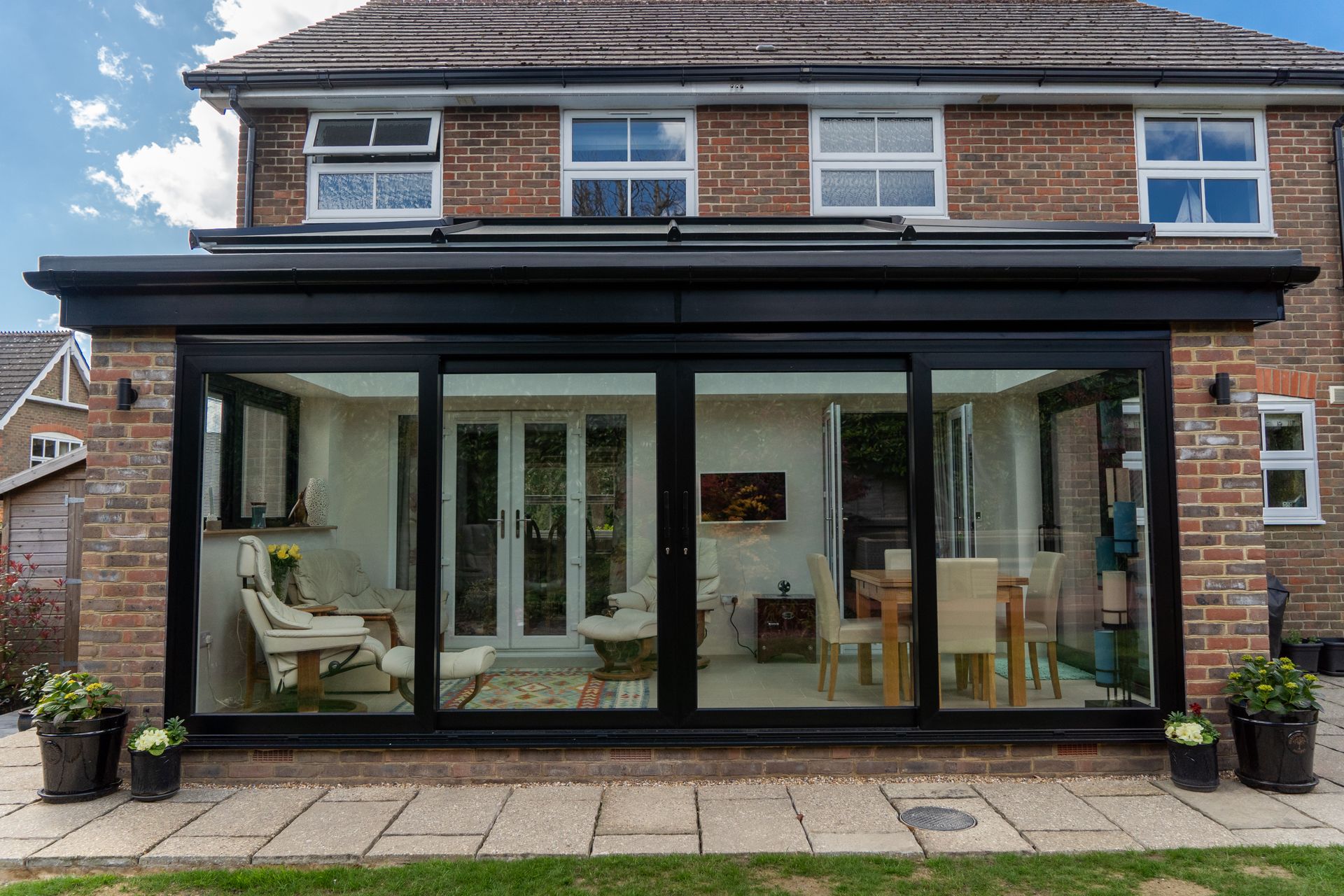
Replacing windows and doors or adding a conservatory to your home can make a huge difference to the appearance, security and energy performance of your home. This blog features before and after pictures of some of our installations of windows, doors and conservatories in Sussex.
3 February 2026
Questions to ask before investing in home improvements Why asking the right questions matters… Home improvements such as replacement windows , doors or a new conservatory are a big investment so it’s important you feel confident and informed in your decisions. Many homeowners aren’t always sure of what to ask, or worry about being pressured into making a decision, which is why we created this blog - so you have a clear list of questions and the answers you need to make the right decision for your home. At Insulation Services, we encourage questions, we want you to make the best informed decision for your home so you are happy with the finished installation. Our approach to honesty and transparency within the home improvements industry… At Insulation Services, we commit to giving our customers the best quality services and products. That starts with good communication, from initial enquiry through to finished installation, we make sure you’re informed every step of the way - that includes information about product guarantees and costs. We don’t believe in promoting huge discounts and confusing you about the pricing of products - every job is priced individually based on the product and labour costs. We don’t inflate prices just to bring them down later as a ‘discount’, we price fairly and honestly from day one so you’re never overcharged. We believe that honesty and transparency lead to better results from finished installations and happier customers. Questions to ask us… Products: What material windows and doors are available? What is the difference between the materials? How energy efficient are your products? What ratings do they have? What styles, colours and finishes are available? Are the products made to measure? What furniture/accessories can I have on the windows/doors? What are the different types of handles and how does this affect security? How secure are your products? How long do they last? Are the products from reputable suppliers? What are the limitations of certain window or door styles? Installation: Who will be carrying out the installation - your team or subcontractors? How long will the installation take? Will there be much disruption to my home? Do you tidy up after the installation? Do you dispose of the old windows/doors? How do you protect my property during the installation? Regulations/compliance: Do I need planning permission or building regulations approval? Will I receive FENSA certification after the installation? Pricing: Is the quote fully itemised? What is included in the price? Are there any potential additional costs? Do you require a deposit, and when is the balance due? Are there cheaper options—and why might they cost less? Guarantees: What guarantees do you offer on products and installation? What happens if something goes wrong after fitting? Do you offer ongoing maintenance or support? How do these questions help us deliver a better result? Clear questions help us understand exactly what you are looking for including budget and aesthetics, whilst also making sure you are equipped to make informed decisions as to what is best for your home. If you’re considering investing in new windows, doors or a conservatory, we’re always happy to answer your questions. Visit our showroom in Jarvis Brook, Crowborough, call us on 01892 661858 or use the button below to complete a contact form.
28 January 2026
Common Mistakes Homeowners Make and How to Avoid Them 1. Choosing Price Over Longevity When investing in home improvements such as new windows, doors or a conservatory, it’s sensible to obtain quotations from a few local businesses. However, it’s just as important to understand why those quotes may differ in price. A common mistake homeowners make is choosing the cheapest option - often to save money in the short term or because comparing quotations can feel complicated. While a lower price may seem appealing initially, there is usually a reason it’s cheaper. This might mean lower-quality products, rushed or substandard installation, limited or unclear guarantees, or a lack of care once the work is complete. These issues may not be obvious at first, but they can lead to inconvenience, repairs, or additional costs further down the line. To avoid this, ask each company to clearly explain what is included in their quotation - and what isn’t. Take time to read reviews, look at how long the business has been established, understand the expected lifespan of the products being offered, and what ongoing maintenance may be required. 2. Not Planning for the Future If you’re considering investing in your home, it’s worth asking yourself whether you’re planning for the future or focusing only on what works right now. While it’s natural to look for solutions that meet your immediate needs, it’s just as important to consider how you will find them in the future. What happens when the children move out, or if working from home becomes permanent? A solution that feels convenient today could become limiting or impractical in years to come. Before making any significant changes, take a moment to think five or even ten years ahead. Is the decision going to continue to serve you well, or will it be less suited to you in the future. 3. Choosing a Company Who Communicate Poorly Choosing value over price also means choosing a business that communicates clearly with you. Good communication is essential when someone is working on your home. There’s nothing worse than small misunderstandings becoming big problems when you believe something is included, only to find it isn’t, or has been done differently to what you expected. Be wary of businesses giving vague answers, rushing decisions and not wanting to explain things. Any business that avoids detail or pressures you to move forward before you fully understand what’s involved is not a good choice. A reputable company will take the time to explain your options and make sure everything is clear from the outset. To avoid issues later on, ask plenty of questions and ensure you’re comfortable with the answers before proceeding. Most importantly, make sure all agreed details are clearly set out in writing on your quotation or order form before you commit. Mistakes are easily made but they are avoidable if you know what to look for. Base your decisions on good, clear information that comes from trusted businesses and you should be in safe hands. If you’re thinking of investing in new windows , doors , a conservatory or roofline repairs and want honest advice, we are here to help. 
15 January 2026
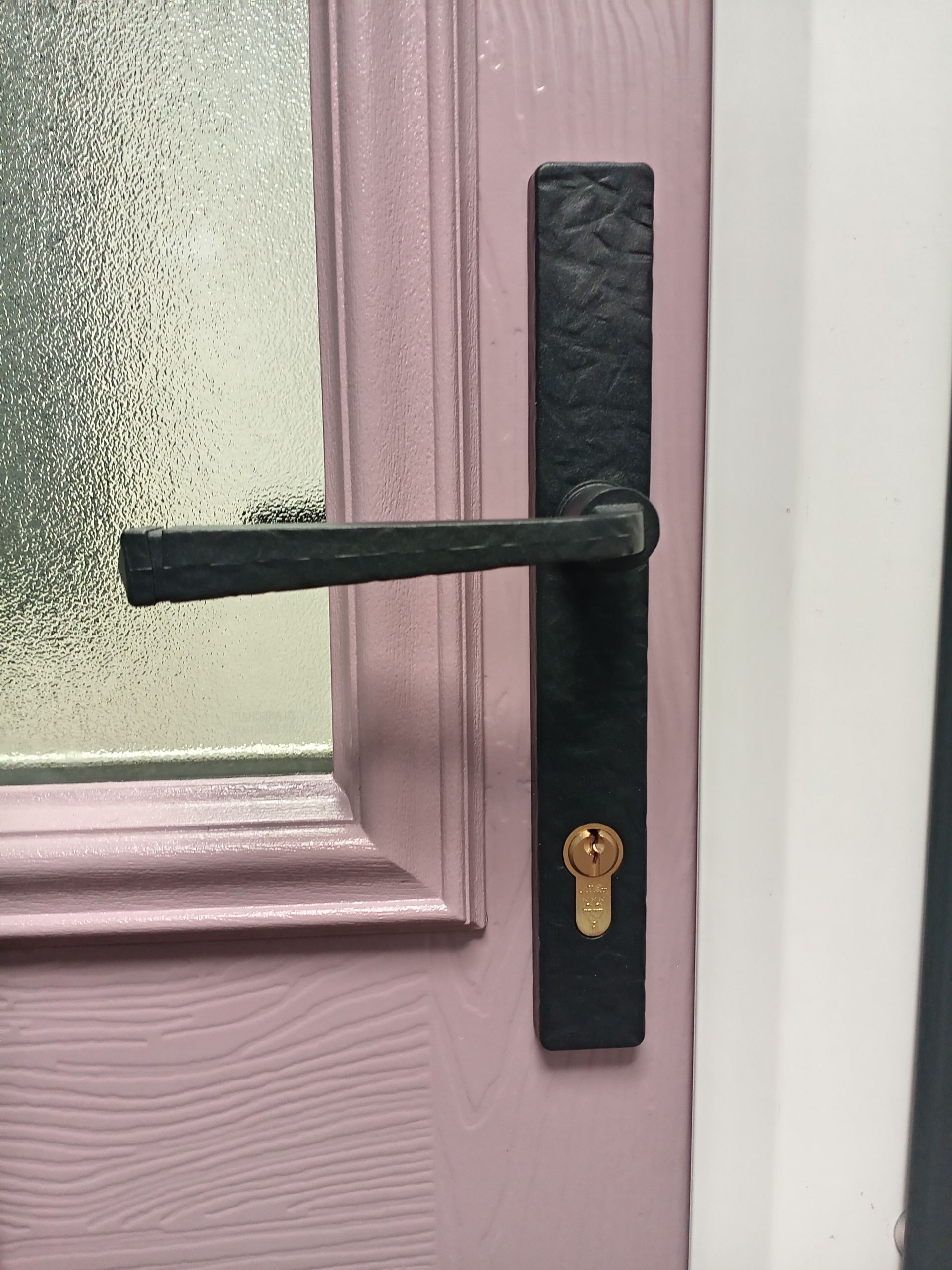
What are the different types of door handle and what is the difference? Lever Lock, Offset Lever, Slam Shut and Thumb Turns explained...
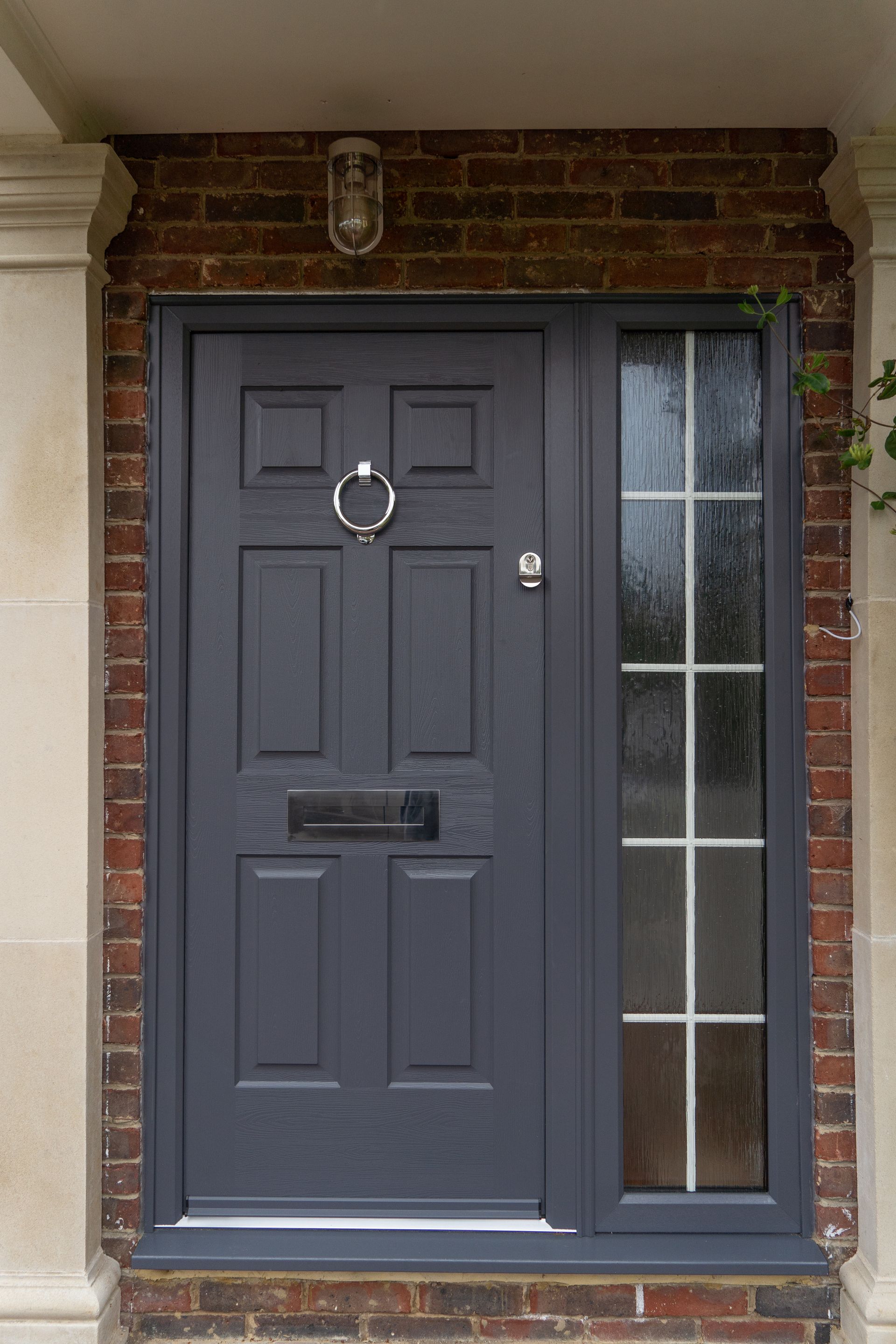
grey composite front door installed in sussex
17 December 2025
Is Your Home As Safe As It Could Be From Intruders?
white PVCu window in sussex
10 December 2025
Ventilation plays a huge role in keeping a home healthy and comfortable, but it’s something many people only think about when problems like condensation or stuffy rooms appear. One small, often overlooked feature that can make a big difference is the trickle vent. So, what exactly are trickle vents? Trickle vents are small openings built into the frames of windows that allow a controlled amount of fresh air to circulate indoors, even when the window is closed. They’re usually found at the top of modern windows and can be opened or closed manually with a simple slider. Why do homes need trickle vents? Moisture, indoor pollutants, and stale air build up in every home through everyday activities such as cooking, showering, drying clothes, or simply breathing. If this moisture has nowhere to escape, it can lead to condensation, damp patches and peeling paint, black mould, poor air quality and musty smells. Trickle vents provide continuous background ventilation, helping prevent these issues by allowing moisture-laden air to escape and fresh air to enter. Are trickle vents a requirement? In the UK, building regulations now (since 2022) require the use of trickle vents in most replacement and new-build windows to maintain healthy airflow. They help ensure a minimum level of ventilation without relying on windows being open all day long. Do trickle vents make your home colder? This is a common concern, but they don’t have a significant impact on the temperature of your home. Trickle vents allow only a small, controlled flow of air. They don’t create large drafts, and they shouldn’t noticeably reduce the warmth of your home. In fact, by reducing dampness and improving air quality, they often make a home feel more comfortable. Should you keep trickle vents open? For the best results, yes, especially in winter when condensation is most likely. You can close them if needed (for example, during high winds), but keeping them open ensures a steady flow of fresh air and keeps humidity under control. Trickle vents may be small, but they play a big role in maintaining a healthy indoor environment. They’re a simple, cost-effective way to reduce condensation, prevent mould, and improve overall air quality — all without opening your windows or compromising security.
glass conservatory interior view - installed in Sussex
10 December 2025
What are U Values and Why are They Important to Consider?
PVCu vertical sliding windows
5 December 2025
How to Find a Good Window Installer in Sussex