What are U-Values?
What are U Values and Why are They Important to Consider?
When you’re choosing new windows or doors for your home, you’ll soon come across the term U-value. It appears on brochures, energy ratings, and product specifications—but what does it actually mean? And why does it matter?
What Is a U-Value?
A U-value measures how easily heat passes through a building material. Think of it as a “heat loss score.”
Low U-value = better insulation, less heat loss, more energy efficiency
High U-value = poorer insulation and more heat escaping from your home
U-values are measured in W/m²K (watts per square metre per degree Kelvin).
The lower the number, the less energy your home loses—and the warmer and cheaper to heat it will be.
Why U-Values Matter When Choosing New Windows or Doors…
Windows and glazed doors are typically the weakest point in your home’s insulation. Even high-performance double glazing won’t insulate as well as a solid wall, but choosing products with the right U-values can make a significant difference.
Better insulation means you won’t need to heat your home as frequently/to as high temperatures to maintain a comfortable setting, helping you save money on your energy bills. Glazing with a low U value rating will also reduce cold spots, draughts and condensation, improving comfort. It’s also better for the environment due to less energy usage.
Understanding U-Values in Different Window Components
When you see brochures or information mentioning a U-value, it may apply to different parts of the window or door. This is important, because the glazing, frame, spacer bars and assembly will all have different thermal properties.
The
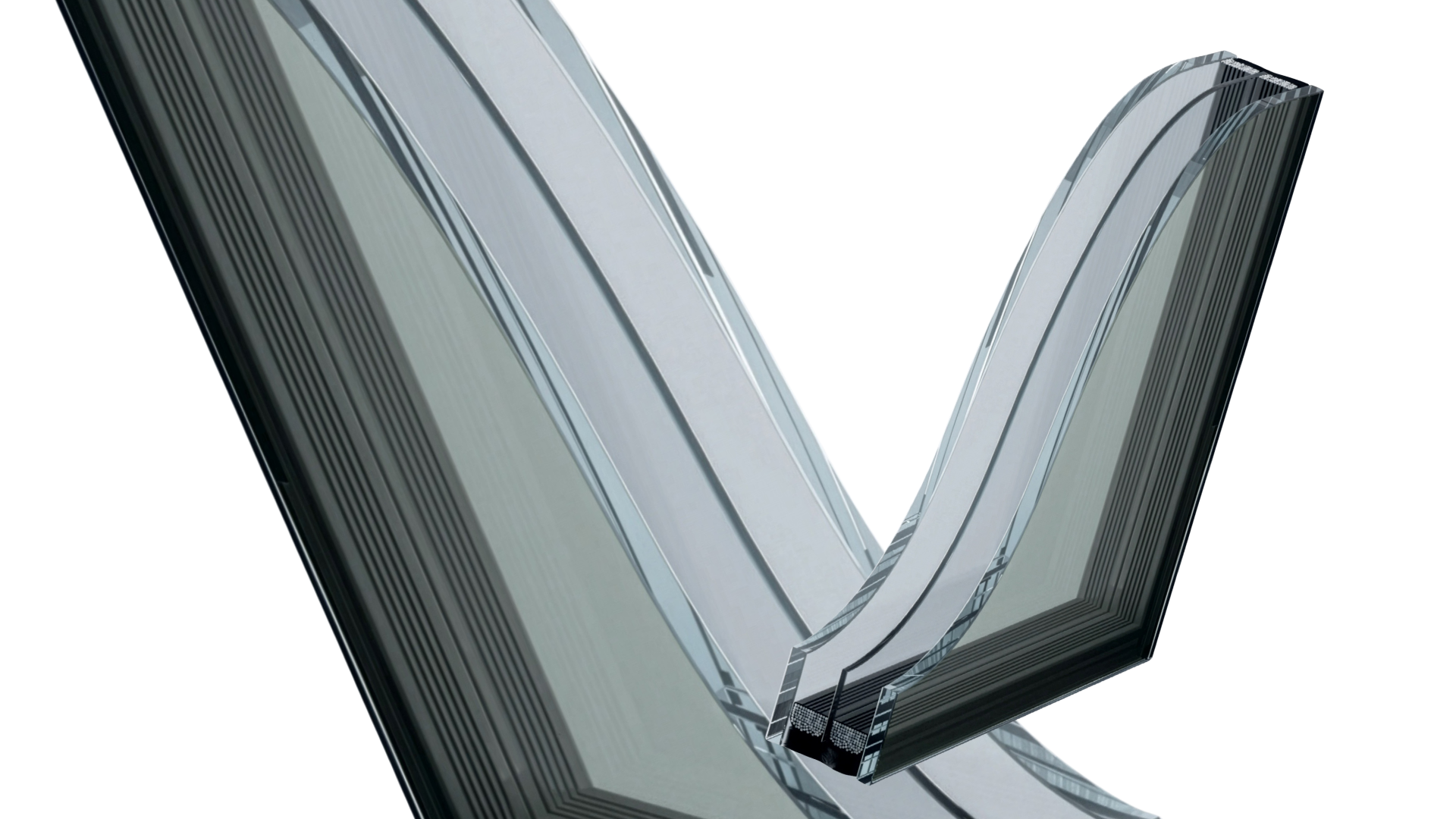
Glazing U-Value (Ug) is the U-value of just the glazing, measured in the middle of the glass. Double glazing is typically around 1.2–1.4 W/m²K whilst triple glazing can be as low as 0.5–0.7 W/m²K.
BUT this value does not represent the performance of the whole window.
The Frame U-Value (Uf) is the U-value of the window frame material, which varies by design. PVCu is a very good insulator, timber is also a good insulator whilst aluminium requires thermal breaks to perform well.
The Whole Window U-Value (Uw) is the actual U-value you should compare when choosing windows or doors.
It measures the glazing, the frame, the spacer bars and how the unit is assembled. The whole-window U-values are always higher (worse) than the glazing values, but they reflect the real performance of the window.
What Is a Good U-Value for Modern Windows?
For UK homes, typical performance ranges are 1.2 to 1.8 W/m²K for double glazed windows and 0.5 to 1.2 W/m²K for triple glazed windows.
Manufacturers use a combination of technologies to lower U-values, including Low-E (Low Emissivity) Glass which has a microscopically thin coating that reflects heat back into the room. Argon or Krypton gas between the panes of double and triple glazing reduces heat transfer. The use of warm edge spacer bars to replace cold metal spacers helps to improve edge insulation and reduce condensation. Thermally broken frames for aluminium products.
U-Values vs Energy Ratings: What’s the Difference?
You might see windows labelled with an energy rating (A++, A+, B, etc.), similar to appliances. These ratings consider the U-value, solar heat gain coefficient (the amount of heat from the sun that can pass through the glazing), visible transmittance (how much light passes through the glazing) and air leakage. Energy ratings reflect overall performance, but U-value remains the most reliable indicator of insulation.